In the realm of data management, the integrity and reliability of a database are paramount. Whether you’re a DBA, developer, or IT manager, ensuring that your databases are free from corruption is a critical skill that requires constant vigilance and a proactive approach. The complexity of modern database systems, combined with ever-growing data volumes, means that the risk of corruption is an unfortunate reality that cannot be ignored. This blog post aims to arm you with the knowledge and strategies needed to tackle database corruption head-on, ensuring that your systems remain robust and your data uncompromised.
Unlike many technical challenges, database corruption isn’t always immediately obvious. It can manifest insidiously, leading to data loss or even system downtime if left unchecked. Understanding the root causes of corruption and the early warning signs is crucial for every team responsible for data integrity. From hardware failures to software bugs, various factors can lead to database anomalies. In this introductory session of our SQL School, we will delve into the common causes of database corruption, diagnostic tools available at your disposal, and best practices for preemptive measures and effective recovery plans.
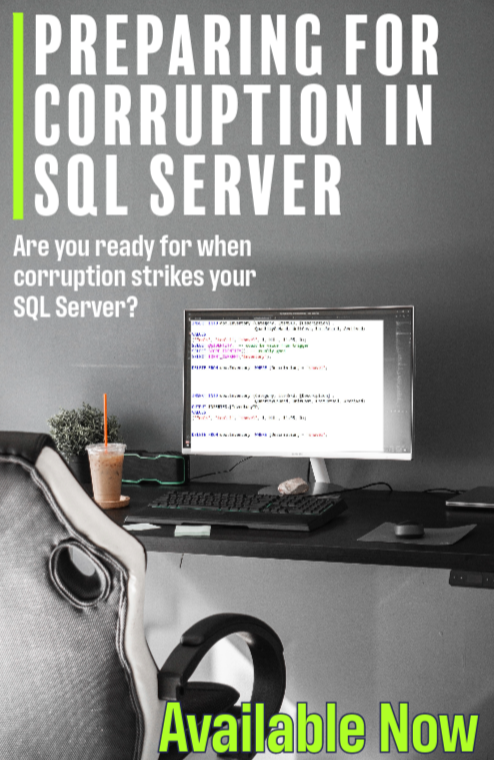
That’s why I created this course, which covers a range of topics related to database corruption. First, we delve into what corruption is and how it can occur. We then explore some of the most common types of corruption, such as page checksum errors, torn pages, and database snapshots.
Next, we discuss how to identify corruption within your database and the steps you can take to repair it. We cover both native and third-party tools, as well as best practices for minimizing data loss during the repair process. We also touch on disaster recovery, including how to create and maintain backups to ensure your data is safe in the event of corruption.
Throughout the course, I share my own experiences with database corruption and offer real-world examples to help illustrate key concepts. I also provide plenty of hands-on exercises and quizzes to help reinforce the material covered in each section.
One of the things that sets my course apart is its focus on prevention. While it’s impossible to completely eliminate the risk of corruption, there are steps you can take to minimize the likelihood of it occurring. I cover some of these strategies, such as regular database maintenance and monitoring, and provide practical tips for implementing them in your own environment.
Ultimately, my goal with this course is to help SQL Server professionals be better prepared for the possibility of corruption. Whether you’re an experienced DBA or just getting started with SQL Server, there’s something in this course for everyone. So if you’re ready to take your skills to the next level and ensure your databases are protected, I encourage you to check it out.
Find out more about the course here: http://stedman.us/corruption
Find out more at my SQL School

“Learning doesn’t just make you smarter, it makes you stronger. Equip yourself with continuous education and let it be your shield against life’s challenges.” -fortune cookie quote
Don’t let corruption get your database, check out this helpful blog post: here
More from Stedman Solutions:

Steve and the team at Stedman Solutions are here for all your SQL Server needs.
Contact us today for your free 30 minute consultation..
We are ready to help!