
Exclusive SQL Performance Tuning Training
Steve and the team at Stedman Solutions, LLC have put together an email based performance tuning course where each week you can get tips and… Read More »Exclusive SQL Performance Tuning Training
Blog posts relating to SQL Performance Tuning.
SQL Server tuning is the process of optimizing the database’s configuration, queries, and infrastructure to ensure the system runs as efficiently as possible. The goal is to reduce resource usage, increase query speed, and improve overall system responsiveness. Performance tuning involves analyzing server performance metrics, identifying bottlenecks, and implementing solutions that range from hardware upgrades to query rewriting. These optimizations are crucial for maintaining a smooth user experience and supporting business-critical applications.
A key aspect of performance tuning is query optimization. Poorly written SQL queries, missing indexes, or incorrect indexing strategies often lead to slow query execution. By using tools such as execution plans and SQL Profiler, DBAs can identify and correct inefficiencies in SQL code. Techniques like index tuning, query rewriting, and partitioning can drastically reduce query execution times. Regularly updating statistics and reorganizing or rebuilding indexes further enhances query performance and ensures accurate query plans.
Beyond queries, performance tuning also focuses on the SQL Server environment itself. Configuring server settings, adjusting memory allocation, and fine-tuning I/O operations play a significant role in optimizing database performance. Monitoring tools like Database Health Monitor (available at DatabaseHealth.com) provide insights into server health and potential issues. Stedman Solutions offers comprehensive SQL Server performance tuning services, combining years of experience with specialized tools to ensure your SQL Server environment performs at its peak. Learn more about our managed services at Stedman Solutions.
Steve and the team at Stedman Solutions, LLC have put together an email based performance tuning course where each week you can get tips and… Read More »Exclusive SQL Performance Tuning Training

Three Fantastic Ways to Master SQL Server Join Types Hey there, SQL enthusiasts and database professionals! It’s Steve Stedman from Stedman Solutions, LLC. Today, I’m… Read More »Three Fantastic Ways to Master SQL Server Join Types

Your SQL Server is slow, where do you start? SQL Server is Slow, Understanding the Causes of Performance Issues As a seasoned SQL Server expert… Read More »Why is my SQL Server slow?

The integrity of a Microsoft SQL Server database can be severely undermined by corruption, leading to data inaccessibility and potential operational disasters. Steve Stedman’s comprehensive… Read More »SQL Server Corruption: Stories About Causes of Corruption

Wait statistics, in the context of SQL Server, refer to the amount of time that a query spends waiting to access data in the database.… Read More »SQL Server Wait Type: PREEMPTIVE_OS_WAITFORSINGLEOBJEC

Some people say I am obsessed with Join Types, they may be right, you can decide. Todays featured join product is the Joins Shower Curtain.… Read More »Learn SQL In The Shower

Need help with this, Stedman Solutions can help. Find out how with a free no risk 30 minute consultation with Steve Stedman. First 5 Things… Read More »5 Things to Check When Your SQL Server is Performing Slowly
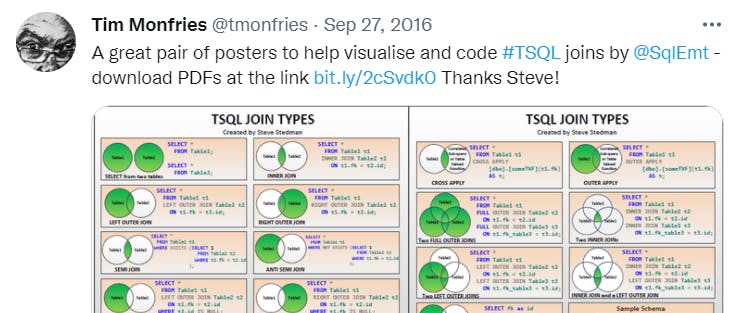
Steve Stedman here from Stedman Solutions, LLC. If you’ve ever grappled with the complexities of SQL join types, I’ve got something exciting for you. We’re… Read More »Unlock the Power of SQL Joins with Your Free Downloadable Poster!

Out of all of the customers we have running our daily monitoring here are the versions of SQL Server that are being run. All the… Read More »Daily Server Monitoring – SQL Versions for February

There are several ways that you can secure SQL Server, including: Enabling authentication and authorization: This helps ensure that only authorized users can access the… Read More »Securing SQL Server: Basic Security Measures